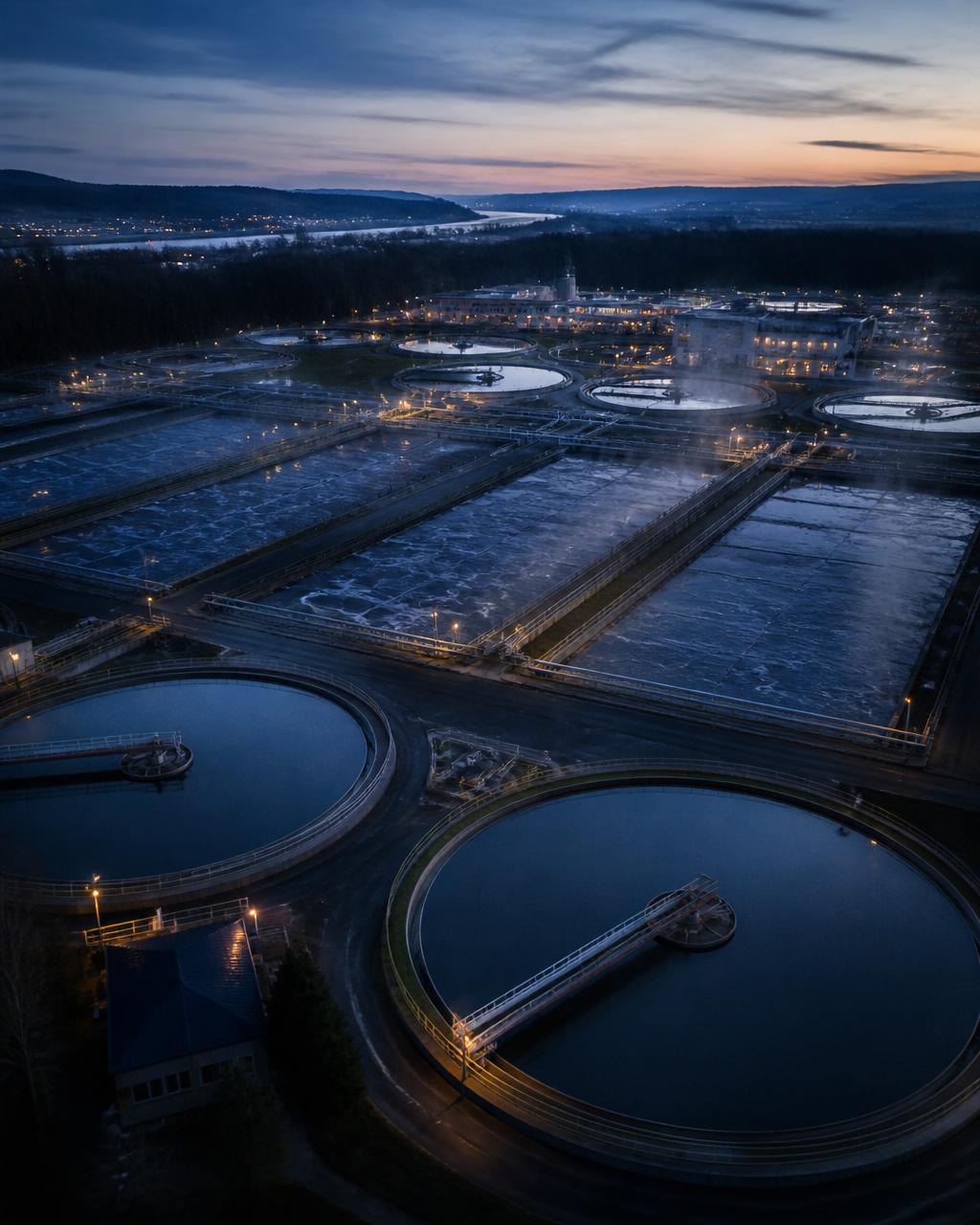
Many municipal STPs (Sewage Treatment Plants) generate biogas from sewage sludge through anaerobic digestion, which most of the time is flared into the atmosphere. This biogas contains methane and other gases, which is harmful to the environment. Instead, this biogas can be upgraded into Bio-CNG, a useful fuel. Energy security has become a key national priority for India. Converting this biogas to Bio-CNG, at scale, can have enormous implications.
We announced a landmark waste-to-energy platform in 2024, in partnership with VA Tech Wabag, to convert biogas to Bio-CNG, from 100 STP's across India, GCC, Europe and Africa. This is the first time in India this is being done at scale. Ghaziabad Bio-Energy represents the first project in this platform.
Peak Sustainability Ventures, in partnership with VA Tech Wabag, launched a $200M waste-to-energy platform to develop upto 100 compressed biogas (CBG) plants across India and globally over the next 5–7 years — converting biogas from sewage treatment plants into renewable transport fuel. By retrofitting underutilised wastewater infrastructure, the platform reduces methane emissions, improves waste management and strengthens India's energy security through decentralised clean-fuel production.
The first plant within this platform is being developed at the 70 MLD Sewage Treatment Plant in Dundaheda, Ghaziabad, under a Build-Operate-Transfer (BOT) model on a public-private-partnership basis — executed through a dedicated SPV, Ghaziabad Bioenergy Private Limited, formed jointly by Wabag and Peak. Over the life of the project, approximately 250,000 metric tons of carbon emissions are expected to be reduced, in addition to improving air quality and generating employment for the local community.
- Methane emission reduction
- Renewable transport fuel
- Energy security
- Waste valorisation
- Local employment for community
- Improves local air quality
- Sector
- Bio-Energy
- Headquarters
- Ghaziabad, India
- Year invested
- 2026
- Stage
- Project · BOT